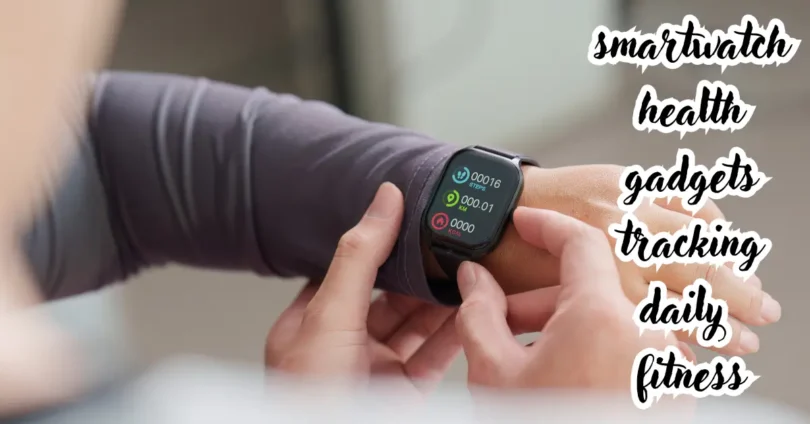

Health gadgets are electronic devices designed to help people monitor, understand, or improve aspects of their health and wellness. Depending on the device, they can track information such as physical activity, heart rate, sleep patterns, body temperature, blood pressure, blood oxygen levels, or other wellness measurements.
Common examples include smartwatches, fitness trackers, smart scales, blood pressure monitors, sleep trackers, smart thermometers, and connected health-monitoring devices.
For many people, the biggest benefit is convenience. Instead of relying only on occasional measurements, a connected device can help you observe patterns over time and make everyday wellness decisions based on personal information.
However, health gadgets are not all equally accurate, and most consumer devices are not substitutes for professional medical care. Their usefulness depends on the type of device, how it is used, the quality of its sensors, and whether the information is interpreted correctly.
This guide explains the major types of health gadgets, what they can do, their advantages and limitations, and how to choose the right device for your needs.
What Are the Main Types of Health Gadgets?
The main types of health gadgets include fitness trackers, smartwatches, smart scales, blood pressure monitors, sleep trackers, thermometers, and specialized monitoring devices.
Different gadgets serve different purposes. A fitness tracker may focus on movement and exercise, while a blood pressure monitor is designed specifically to measure blood pressure.
1. Smartwatches & Health Gadgets
Smartwatches & Health Gadgets are among the most popular wellness devices because they combine several functions into one wearable product.
Depending on the model, a smartwatch may provide:
- Step counting
- Heart-rate monitoring
- Workout tracking
- Sleep tracking
- Activity reminders
- Breathing or mindfulness features
- GPS-based activity tracking
- Notifications
- Some health-related measurements
A smartwatch can be useful for people who want a general overview of daily activity without wearing multiple devices.
The important point is that smartwatch features vary considerably. A device advertising a health-related feature does not automatically mean that feature can diagnose a medical condition.
2. Fitness Trackers
Fitness trackers are designed primarily around physical activity and wellness monitoring.
They commonly record movement, steps, exercise sessions, and sometimes heart rate or sleep information.
Fitness trackers can be particularly useful for people who want a simple way to monitor activity habits.
For example, someone who spends much of the day sitting may use an activity tracker to notice how often they move and build more movement into their routine.
3. Smart Scales
Smart scales go beyond displaying body weight.
Many connected models can synchronize measurements with a smartphone application and provide additional body-composition estimates.
Depending on the product, these may include measurements or estimates related to:
- Body weight
- Body mass index
- Body fat percentage
- Muscle-related measurements
- Water-related measurements
These additional readings should be treated as estimates rather than absolute measurements. Results can vary depending on hydration, timing, device design, and other factors.
For many users, the most useful feature is the ability to observe long-term trends rather than focusing heavily on one individual reading.
4. Digital Blood Pressure Monitors
A home blood pressure monitor can make it easier to measure blood pressure outside a clinic.
For people who have been advised by a healthcare professional to monitor blood pressure at home, a validated upper-arm monitor can be particularly useful.
Correct technique matters. Sitting position, cuff placement, rest time, movement, and talking during the measurement can all affect results.
A blood pressure monitor should be used according to its instructions, and unusual or concerning readings should be discussed with a qualified healthcare professional.
5. Sleep Trackers
Sleep trackers use sensors to estimate sleep-related information.
Depending on the device, they may provide estimates for:
- Sleep duration
- Sleep timing
- Sleep stages
- Nighttime movement
- Heart rate during sleep
- Sleep consistency
Sleep tracking can help users recognize patterns, such as consistently going to bed late or having an irregular sleep schedule.
However, consumer sleep trackers generally estimate sleep rather than directly measuring every aspect of sleep physiology. A tracker should not be used to diagnose a sleep disorder.
6. Smart Thermometers
Digital and connected thermometers can provide temperature measurements quickly and conveniently.
Some models can store readings in an app, making it easier to monitor changes over time.
A thermometer is one of the simpler health gadgets, but it can still be useful when accurate temperature measurement is needed.
Always follow the manufacturer’s instructions for the measurement method being used.
What Can Health Gadgets Actually Track?
The answer depends on the device. Some health gadgets track basic activity, while others collect more specialized measurements.
Common health and wellness metrics include:
- Steps
- Distance
- Heart rate
- Exercise duration
- Sleep duration
- Calories or energy expenditure estimates
- Blood pressure
- Body temperature
- Blood oxygen estimates
- Weight
- Some body-composition estimates
- Respiratory-related measurements on certain devices
Not every measurement is equally reliable.
For example, step counting can be relatively straightforward for a wearable device, while calorie expenditure and sleep-stage estimates can be much more difficult to calculate accurately.
That is why consumers should consider the measurement itself rather than assuming that every number displayed by a gadget is equally precise.
Benefits of Using Health Gadgets
The biggest benefit of health gadgets is that they can make personal health information easier to access and understand.
Better Awareness of Daily Habits
A wearable device can show how active you are throughout the day.
You may discover that you move much less on workdays than weekends, for example. That information can encourage you to make practical changes.
Easier Fitness Tracking
Fitness-oriented gadgets can record workouts and provide information about exercise duration, heart rate, distance, or other activity-related measurements.
This can make progress easier to observe over time.
Helpful Trend Monitoring
One measurement may not tell you much.
A series of measurements collected under similar conditions can be more useful for identifying patterns.
For example, tracking sleep timing over several weeks may reveal an inconsistent schedule that you had not noticed before.
Convenient Data Storage
Connected devices can automatically transfer information to smartphone applications.
This reduces the need to manually record every measurement and can make long-term tracking easier.
Encouragement and Motivation
Some people find reminders, activity goals, progress charts, and notifications motivating.
The key is to use these features as helpful prompts rather than allowing them to create unnecessary stress around individual numbers.
Limitations of Health Gadgets
Although health gadgets can be useful, they also have limitations.
They Are Not All Medical Devices
A consumer gadget may provide health-related information without being designed or authorized to diagnose a disease.
Always check what a device is actually intended to do.
Measurements Can Be Estimates
Many wearable measurements are calculated using sensors and algorithms.
Factors such as device position, movement, skin contact, environmental conditions, and individual differences can affect results.
More Data Does Not Always Mean Better Health
It is easy to become focused on numbers.
Tracking dozens of metrics may not be useful if you do not know what the information means or what action to take.
The goal should be useful information, not simply more information.
Apps and Data Privacy Matter
Many connected gadgets collect personal information through smartphone applications or online accounts.
Before buying a device, review its privacy policy, account requirements, data-sharing options, and security practices.
How to Choose the Right Health Gadget
Choosing the best device starts with your actual goal.
Do not buy a gadget simply because it has the largest list of features.
Step 1: Identify Your Main Goal
Ask yourself what you want to monitor.
For example:
- Fitness and exercise
- Daily activity
- Sleep habits
- Blood pressure
- Weight trends
- Temperature
- General wellness
A clear goal makes the buying decision much easier.
Step 2: Check Which Measurements Matter
Once you know your goal, identify the measurements you actually need.
If your main goal is activity tracking, you may not need a device packed with specialized features.
If you have been instructed by a healthcare professional to monitor a particular measurement at home, prioritize a device designed specifically for that purpose.
Step 3: Look at Accuracy and Validation
Do not judge a device only by its marketing claims.
For health-related measurements, look for credible information about how the device was tested and whether it is appropriate for the intended use.
For certain medical measurements, independent validation can be especially important.
Step 4: Consider Comfort
A gadget that is uncomfortable may end up sitting in a drawer.
For wearable devices, consider:
- Weight
- Size
- Strap comfort
- Battery life
- Water resistance
- Ease of charging
Comfort is particularly important if you plan to wear the device during sleep or exercise.
Step 5: Check Smartphone Compatibility
Before buying a connected gadget, confirm that its application works with your smartphone and operating system.
Some products may provide different functionality depending on the phone or platform being used.
Step 6: Review Privacy Features
Health-related information can be sensitive.
Check what information the device collects, where it is stored, whether it is synchronized to an online account, and what controls you have over your data.
Health Gadgets Comparison
| Gadget Type | Best For | Common Measurements | Important Limitation |
| Smartwatch | General wellness | Activity, heart rate, workouts, sleep | Features and accuracy vary |
| Fitness tracker | Activity tracking | Steps, movement, exercise | Limited health features on some models |
| Smart scale | Weight trends | Weight and estimated body composition | Body-composition values are estimates |
| Blood pressure monitor | Home BP monitoring | Blood pressure and pulse | Proper cuff size and technique matter |
| Sleep tracker | Sleep patterns | Sleep duration and related estimates | Sleep stages are generally estimated |
| Smart thermometer | Temperature tracking | Body temperature | Measurement method affects results |
The best option depends on what you actually want to monitor.
How to Use Health Gadgets More Effectively
Buying a gadget is only the first step. How you use it matters just as much.
Focus on Trends
Avoid overreacting to one unusual measurement.
Instead, look for patterns across multiple readings taken under similar conditions.
Keep Conditions Consistent
When possible, measure at similar times and follow the manufacturer’s instructions.
Consistency makes comparisons more meaningful.
Keep Your Device Updated
Manufacturers may release firmware and application updates that improve functionality, fix bugs, or address security issues.
Keep the device and its companion application updated when appropriate.
Clean Wearable Devices Regularly
Wearables collect sweat, oils, and dirt during normal use.
Follow the manufacturer’s cleaning instructions to keep the device comfortable and functioning properly.
Do Not Ignore How You Feel
Numbers are only one source of information.
If you feel unwell, do not rely on a consumer gadget to determine whether something is wrong. A healthcare professional can evaluate symptoms and provide appropriate advice.
Common Mistakes People Make With Health Gadgets
Several mistakes can reduce the usefulness of health technology.
Mistake 1: Treating Every Number as Exact
A displayed number can look extremely precise, but that does not mean the measurement itself is perfectly accurate.
Use measurements within the context of the device’s intended purpose.
Mistake 2: Buying Too Many Devices
You do not need a separate gadget for every metric.
One reliable device that addresses your main goal may be more useful than several gadgets producing information you never use.
Mistake 3: Ignoring Device Instructions
Incorrect placement, poor contact, wrong cuff size, or improper measurement technique can affect results.
Always follow the manufacturer’s instructions.
Mistake 4: Comparing Different Devices
Two gadgets may produce different readings because they use different sensors, algorithms, or measurement methods.
Avoid assuming that a difference automatically means one device is broken.
Mistake 5: Focusing Only on Daily Results
Daily fluctuations are normal for many health and wellness measurements.
Long-term patterns can often provide more useful context than obsessing over individual readings.
Are Health Gadgets Worth Buying?
Health gadgets can be worth buying when they solve a specific problem or make useful tracking easier.
A smartwatch can be helpful for someone who wants activity and workout tracking. A validated home blood pressure monitor can be useful for someone who has been advised to monitor blood pressure. A sleep tracker may help someone understand their sleep schedule.
However, buying a device simply because it has many health features does not guarantee better health.
Before purchasing, ask three questions:
- What do I want to measure?
- How will I use the information?
- Is this device appropriate for that purpose?
If you cannot answer those questions, you may not need the gadget yet.
Are Health Gadgets Accurate?
The accuracy of health gadgets depends on the device, measurement, technology, and conditions in which it is used.
Some measurements are relatively simple to track, while others require more sophisticated sensors and algorithms.
For example, a wearable may estimate sleep stages using movement and other signals rather than directly observing the biological processes involved in sleep.
Accuracy can also vary between individuals.
For important health measurements, choose devices designed for the intended purpose and follow proper measurement procedures.
If a result seems unusual or concerning, do not make a medical decision based only on a consumer gadget. Seek advice from an appropriate healthcare professional.
Health Gadgets and Personal Data Privacy
Privacy is an important part of choosing connected health technology.
Many devices send information to smartphone applications or cloud services. This can make tracking convenient, but it also means users should understand how their data is handled.
Before purchasing a connected gadget, consider:
- What data does it collect?
- Where is the data stored?
- Does it require an online account?
- Can data be exported?
- Can you delete stored information?
- Does the company share data with third parties?
- What security controls are available?
Read the manufacturer’s privacy information instead of assuming that all health technology companies handle data in the same way.
Health Gadgets for Different Goals
The best gadget depends on your reason for buying one.
For General Fitness
A smartwatch or fitness tracker may be a practical starting point.
Look for reliable activity tracking, comfortable design, useful workout features, and an application that makes trends easy to understand.
For Home Blood Pressure Monitoring
Choose a properly designed blood pressure monitor rather than relying on a general wellness gadget simply because it displays a blood-pressure-related feature.
If blood pressure monitoring has been recommended to you, ask your healthcare professional which type of monitor is appropriate.
For Sleep Tracking
Choose a comfortable wearable or sleep-focused device that can be used consistently.
The most useful information may be sleep timing and duration rather than trying to interpret every estimated sleep stage.
For Weight Tracking
A smart scale can make it easier to record weight trends automatically.
Remember that body-composition measurements provided by consumer smart scales are estimates and can vary.
For General Wellness
A smartwatch or fitness tracker may provide enough information for activity, exercise, and basic wellness tracking.
Avoid paying for features you are unlikely to use.
How Health Gadgets May Improve Everyday Habits
The real value of health gadgets is not the device itself. It is what you do with the information.
For example, suppose a person notices through an activity tracker that they spend long periods sitting during the workday.
The useful response is not simply to collect more data. The person could instead introduce short movement breaks or adjust their daily routine.
Similarly, if a sleep tracker shows an inconsistent bedtime pattern, the practical next step could be establishing a more consistent sleep schedule.
This creates a simple cycle:
Measure → Understand → Make a practical change → Track the trend
That approach is generally more useful than checking numbers constantly without taking meaningful action.
Are More Expensive Health Gadgets Better?
Not necessarily.
Higher-priced devices may include more sensors, better displays, longer battery life, advanced software, premium materials, or additional features.
But expensive does not automatically mean more useful.
A less expensive device may be a better choice if it accurately supports your specific goal and is comfortable enough to use consistently.
When comparing products, focus on:
- Measurement needs
- Reliability
- Ease of use
- Comfort
- Battery life
- App quality
- Privacy
- Compatibility
- Warranty and support
- Evidence supporting important health features
Tips for Buying Health Gadgets in the USA
Consumers in the United States should pay particular attention to what a device is actually marketed and authorized to do.
Health-related technology can fall into different categories, and not every consumer wellness product is equivalent to a medical device.
Before buying, check the manufacturer’s official product information and look for clear explanations of intended use.
For products designed to measure important health parameters, consider whether the device has appropriate validation or regulatory information for its intended purpose.
Also purchase from reputable sellers to reduce the risk of counterfeit products or missing warranties.
When Should You Talk to a Healthcare Professional?
A health gadget should support informed decisions, not replace professional evaluation.
Consider speaking with a healthcare professional when:
- A health measurement repeatedly appears abnormal.
- You have concerning symptoms.
- A device produces a result that worries you.
- You have been instructed to monitor a specific health measurement.
- You are unsure how to interpret a device’s readings.
- You want to use a consumer gadget alongside an existing care plan.
Do not delay necessary medical care simply because a wearable or smartphone app reports that everything appears normal.
If you want to learn more about improving your daily wellness, check out our Fitness and Wellness Guide. For reliable health and safety information, you can also visit the CDC and FDA before making important health-related decisions.
Frequently Asked Questions About Health Gadgets
What are health gadgets?
Health gadgets are electronic devices that help people monitor health, fitness, or wellness information. Examples include smartwatches, fitness trackers, blood pressure monitors, smart scales, digital thermometers, and sleep trackers. Their capabilities vary, and many consumer devices provide estimates rather than clinical measurements.
Are health gadgets safe to use?
Most consumer wellness gadgets are designed for everyday use when used according to their instructions. However, users should understand the device’s intended purpose and limitations. A gadget should not replace professional medical advice, diagnosis, or treatment. Follow manufacturer instructions and consult a qualified healthcare professional when measurements or symptoms are concerning.
Which health gadget is best for beginners?
A smartwatch or basic fitness tracker can be a practical starting point for general wellness because one device can monitor several common activity-related metrics. However, the best choice depends on your goal. If you need to monitor a specific medical measurement, choose a device designed specifically for that purpose.
Can health gadgets detect health problems?
Some devices can identify measurements or patterns that may warrant further attention, but a consumer gadget should not automatically be treated as a diagnostic tool. Detection, screening, and diagnosis are different things. If a device produces a concerning result or you experience symptoms, speak with a qualified healthcare professional rather than relying solely on the gadget.
How can I choose the right health gadget?
Start by identifying the specific information you want to track. Then compare devices based on measurement capabilities, reliability, comfort, compatibility, privacy, battery life, and cost. For important medical measurements, look for appropriate validation and follow professional guidance about which type of device is suitable.
Final Thoughts on Health Gadgets
Health gadgets can make wellness tracking more convenient by putting useful information directly into a smartwatch, smartphone, or connected device.
The most valuable gadget is not necessarily the one with the most sensors or the highest price. It is the one that provides information you can understand and use responsibly.
Start with a clear goal. Choose a device designed for that purpose, learn its limitations, protect your personal data, and focus on meaningful trends instead of obsessing over individual readings.
For general fitness, activity tracking, sleep habits, or everyday wellness, consumer technology can be a useful tool. For important medical decisions, however, professional healthcare guidance should remain the priority.
Practical next step: decide which single health or wellness habit you want to monitor first, then choose a reputable device that provides the relevant information without unnecessary features.